
Are Outlets With Power Loss Dangerous?
Yes, they can be. If nothing tripped off and there is still an issue that is causing arcing or overheating, it could be dangerous. Wires could have been damaged or connected incorrectly after a repair, or rodents could have chewed wires in the walls or under your home.
Though, if a breaker or GFCI tripped off then we can be sure the power has been turned off and won’t cause any further issues or damage.
Once you notice a power loss in one or more rooms of your Maryland home, it is always recommended to walk around each room and use your hand to feel every outlet and switch for overheating. It is common for a connection to become loose and overheat in outlets or switches. If you do feel an outlet that is HOT to the touch, turn the breaker off for that room and call a local electrician near you (that's us!) immediately at 443-296-2555 so we can get it repaired before it becomes a bigger issue. Our experienced team provides upfront pricing with no hidden fees. However, if you find an outlet that is actively smoking, you may want to turn the power off and call the fire department if it doesn’t stop in 30 seconds.
What Does It Mean When the Power Goes Out on One Side of the House?
When power goes out on one side of the house, there could be several reasons why. One possibility is that a circuit controlling power to that side of the house has tripped. Another possibility is you lost partial power from your power provider, such as a voltage drop or brownout. You could also be experiencing an electrical issue where a failed connection interrupted the power.
The first thing to do is look at the circuit breaker panel and see if any of the breaker are tripped. If so, push the breaker to the off position, and then back to the on position. If it snaps back immediately or if no breakers are tripped, then it's best to call in the professionals like us at Haas & Sons Electric.
Is It Dangerous When Power Loss Occurs in Half or Part of Your Home?
In some cases, a wiring connection has gone bad by coming loose, corroding, getting wet, or being damaged. This can cause arcing or overheating, which then can lead to a fire. Luckily, in most instances, your home’s electrical system will turn the power off when there’s an issue and the new Arc Fault Circuit breakers are specifically designed to sense bad arching and turn the power off. When considering DIY vs. professional repair, homeowner safety should always come first. Knowing when to call an electrician can prevent fire risk and ensure code compliance.
How Do I Get Power Back in Non-Working Outlets Again?
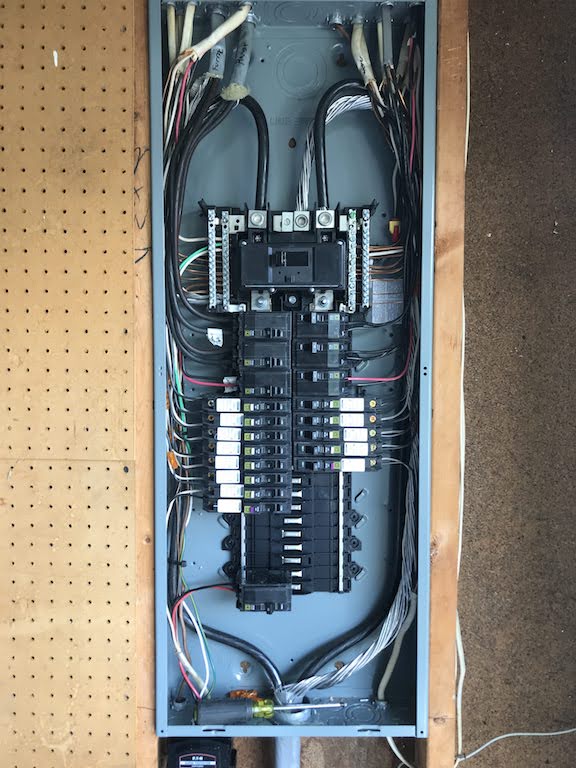
You’ll have to locate your breaker box and GFCI locations to see if any of them tripped off. Resetting circuit breakers isn’t a hard task, and nearly all homeowners can do this on their own. This DIY troubleshooting approach can help with immediate power restoration in many cases.
To reset a circuit breaker, first you need to push the breaker lever all the way to the off position until you feel or hear it click. After it’s in the off position, which is always away from the center, you then push the breaker lever towards the center of the panel, and you will hear/ feel it click.
Resetting a GFCI is a matter of pressing the Reset button that's typically in the middle of the GFCI outlet. A GFCI has two buttons on the front of it- a Test and a Reset. Pressing the Test button will cause it to trip off and you’ll need to press the reset button to restore power.
If you have a GFCI breaker, then you push the lever to the off position (away from the center of the panel) and it will click. Then push back to the on position (center of the panel).
What happens if the power doesn’t come back on after I reset the GFCI? Typically, that indicates there is something wrong with the electrical system, and it’s time to call us at 443-396-2555 to have one of our certified electricians come out. Our residential electrician team will schedule a complete electrical inspection with diagnostic testing to evaluate the issue, as there may be a faulty component or possibly a wire short. We come out in well-stocked trucks, so we are sure to be able to take care of any needed electrical repairs in the home we find.
Partial Power Loss in House, What Should I Do?
If the power has gone off in part of your house, half the house, or even just one room, the first thing you should do is check for tripped breakers and GFCIs. Understanding common causes and following proper troubleshooting steps can help determine how long repairs will take and how much the service will cost.
If everything seems fine, a partial power loss in your home could be caused by several culprits, some simple, others more complex. Here's a breakdown of potential causes:
- Overloaded Circuit: Even if no breakers have tripped, a single circuit may be overloaded when too many appliances draw power at the same time, leading to flickering lights or power dips in certain areas. Unplug unnecessary devices and redistribute the load across circuits when possible. According to Air Temp Solutions, central air conditioning systems can draw 3,000-5,000 watts during normal operation, and anywhere from roughly 2-7 times that amount during startup. When an AC unit shares a 15-20 amp circuit with other appliances, repeated overloads can damage components and lead to the need for professional AC repair. If power issues persist, having an electrician balance the load across your home’s circuits may be the next step.
- Faulty Wiring: Damaged or loose wiring within your walls can disrupt power flow. This could be due to aging insulation, rodent damage, or improper installation. Faulty wiring poses a fire hazard, call one of our qualified electricians right away. Our nearby electrician team can rewire problem areas to meet NEC electrical code standards.
- Loose Connections: Similar to faulty wiring, loose connections at outlets, switches, or within the breaker box itself can disrupt power delivery. Our qualified electrician scan tighten these connections and inspect your fixtures and outlets safely.
- Malfunctioning Breaker: Though less common, a breaker itself can malfunction and not trip despite an overload. A flickering breaker switch or warm breaker panel can indicate this issue. Again, consulting with one of our licensed professionals is recommended.
- External Power Issues: While you checked with the power company, there's a slight chance of localized issues with the transformer supplying your house or underground wiring problems. The power company might need to send a technician to investigate further. Settling of structures, landscaping or other elements of your yard could have compromised the main power line supplying your meter. The power company is best able to diagnose these issues.
Remember, electrical troubleshooting should prioritize safety. Taking a safety-first approach and understanding dangerous signs helps homeowners make informed decisions.
If you've checked the breakers and GFCIs, and the issue persists, it's best to call a licensed electrician to diagnose the exact cause and ensure a safe and proper fix. Our professional electricians provide proper repairs, not temporary solutions, and we have successfully resolved many partial power outages in houses in Maryland. Check out our reviews, ratings, and testimonials from satisfied customers throughout our service area.
Safety First: Dos and Don’ts When Repairing Partial Power Outages in Houses in Maryland
Dos:
-
Report the Outage Promptly: Contact your electric utility immediately to report the outage. Utilities prioritize restoring power to critical facilities first, followed by areas with the largest number of customers affected.
-
Check Circuit Breakers and GFCIs: Inspect your home's electrical panel for tripped breakers or GFCI outlets. Resetting these may restore power to affected areas.
-
Unplug Sensitive Electronics: To protect appliances from power surges when electricity returns, unplug sensitive electronics and appliances.
Don'ts:
-
Avoid DIY Electrical Repairs: Do not attempt to repair electrical issues yourself. Electrical systems can be hazardous, and improper handling can lead to injury or further damage. For cost-conscious consumers wondering about DIY vs. professional decisions, the safety concerns and potential insurance claim considerations make professional service the better choice.
-
Don't Overload Circuits: Avoid plugging too many appliances into a single outlet or circuit. Overloading can cause overheating and increase the risk of fires. In addition, understanding seasonal electrical demands helps prevent overloads during peak usage times.
-
Don't Ignore Warning Signs: If you notice signs of electrical hazards, such as outlets that are hot to the touch, flickering lights, or burning smells, turn off the power and contact a licensed electrician immediately.
By following these guidelines, you can ensure a safer and more effective response to partial power loss in your Maryland home.
Case Studies in Recent Maryland Electrical Power Loss Projects
Case Study: Flickering Lights & Power Loss Resolution
This electrical service call in a local city focused on resolving a persistent power loss issue that had been affecting the homeowner. The customer had reported frequent flickering lights and intermittent power outages, which raised concerns about the reliability of their electrical system.
Upon inspection, our technician discovered a serious issue within the main electrical panel. When the panel cover was removed, it became clear that parts of the panel had suffered extensive damage due to overheating. The breakers had melted, and the bus bar – the core component responsible for distributing electricity – was found to be severely damaged. Using an infrared camera, our team detected dangerous temperatures reaching 300°F at the bus bar and 284°F at the affected breakers.
As we continued to assess the situation, we noted that several breakers had melted, the service cable was showing signs of heat damage, and the bus bar had cracked. This damage, which could have been caused by either the failed breakers or the bus bar, created an unstable electrical environment, leading to the power loss the homeowner had been experiencing.
Given the extent of the damage and the risk of further electrical failure, the homeowner decided to replace the panel on the spot. This case serves as a reminder of the importance of monitoring your electrical system for signs of strain and taking action to prevent long-term power loss or potential hazards.